Sewing is a timeless craft that offers endless possibilities for creativity and self-expression. Whether you dream of crafting your own wardrobe or simply want to mend your clothes, sewing is a valuable skill to learn. It’s a wonderful way to relax, unwind, and create beautiful, functional items.
Just like any new hobby, getting started with sewing requires a small investment in essential tools. But fear not, you don’t need to break the bank to embark on this exciting journey! With a few basic supplies, you can transform your sewing dreams into reality.
In the next section, we’ll outline the essential tools and materials you’ll need to begin your sewing adventure.
Table of Contents
Heads up, some links on this site are affiliate links. If you buy something through them, I might get a small commission (thanks!).
Most of the links are for UK-based products but they can be useful even if you live in another country.
SEWING TOOLS
Sewing Machine
Choosing the right sewing machine is crucial for a smooth start.
For beginners, a simple, user-friendly model with basic stitches like straight stitch and zigzag is ideal.
Many reputable brands offer excellent options designed specifically for novices – my personal favourite brand is Singer, but all the brand now have very high standard.
Pin Remember, a good sewing machine is an investment in your creative journey, so don’t hesitate to research and compare different models before making a purchase.
When choosing your first sewing machine, several factors should be considered:
- Ease of threading: most machines have a similar threading process, but a needle threader can be a game-changer, especially for those with declining eyesight. As someone who started wearing glasses in their forties, I found this feature invaluable when I purchased my last new machine.
- Stitch selection: the number of stitches a sewing machine can perform varies greatly. For beginners, a straight stitch and a zigzag stitch are essential. If you plan to work with stretchy fabrics (knitwear), a stretch stitch is also beneficial. While most machines offer a buttonhole stitch, it’s essential to verify its availability as this feature can significantly simplify the sewing process.
- Durability: to ensure your sewing machine lasts, it’s wise to purchase from a reputable brand that offers a warranty. Additionally, reading customer reviews can provide valuable insights into a machine’s performance and longevity – some of the most reputable brands are: Singer, Brother, Janome, Bernina, Juki, Pfaff.
- Digital or manual? While many people prefer digital sewing machines for their convenience, I recommend starting with a manual model. Digital machines can be more complex to operate and are often more delicate. The potential for technical issues and the added cost of maintenance make them less ideal for beginners. Don’t worry, manual machines still use electricity; they just don’t have digital displays or computerized controls 😀
Threads
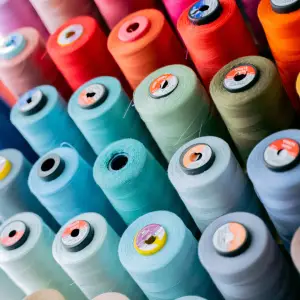
Selecting the correct thread is essential for achieving professional-looking results.
As a beginner, you might be overwhelmed by the variety available. Let’s simplify it.
Remember: It’s always a good idea to match your thread to your fabric as closely as possible for the best aesthetic results.
Pin Polyester Thread: This is a versatile choice for most beginners. It’s strong, durable, and less likely to fray or break. Polyester thread is suitable for a wide range of fabrics and sewing projects.
Cotton Thread: While softer and more natural, cotton thread is prone to shrinking and can be more susceptible to breakage. It’s best suited for specific projects like quilting or sewing delicate fabrics.
Tip: Start with a basic assortment of polyester thread colours (white, black, and a few neutrals) to cover most of your initial projects. As you gain experience, you can expand your thread collection based on your specific needs.
Some links with assorted polyester thread to start with:
- 24 assorted colours spools – link
- 34 assorted colours spools with bobbins – link
- 36 assorted colours spools with bobbins – link
- Gutermann (very reputable brand) 20 assorted colours spools – link
Scissors and cutting tools
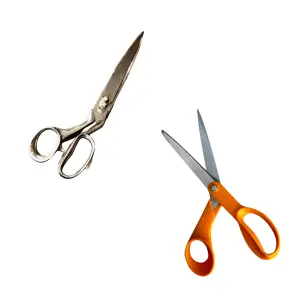
A good pair of fabric scissors is essential for clean, precise cuts.
Using paper scissors on fabric will dull the blades and affect their performance.
It’s important to invest in a quality pair of fabric scissors designed for cutting through different types of fabric.
If you’re left-handed, ensure you purchase scissors specifically designed for left-handed use to avoid discomfort and strain.
Pin While scissors are essential for general fabric cutting and detailed work, a rotary cutter and cutting mat combination can significantly speed up the cutting process, especially for straight lines and large pieces of fabric – but, as beginners, they are not necessary!
- Rotary Cutter: This tool features a circular blade that rotates to cut through fabric. It’s often used in conjunction with a cutting mat to ensure straight and accurate lines. At this link you find one that can be used also for left-handed (you will have just to switch the blade on the other side)
- Cutting Mat: This self-healing mat provides a protective surface for cutting fabric and prevents the rotary cutter blade from damaging your work surface – at this link you find it in various sizes.
Seam Ripper
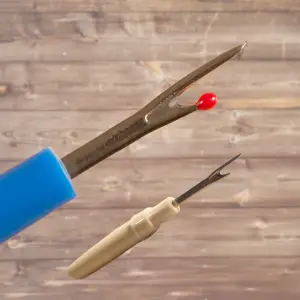
This invaluable tool is a lifesaver for any sewer.
It’s designed to carefully remove stitches when mistakes happen or adjustments need to be made.
A seam ripper allows you to correct errors without damaging your fabric, making it an essential part of any sewing kit.
Pin Measuring Tape
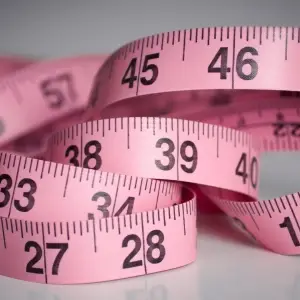
For sewing projects, you’ll need a flexible tape measure, often referred to as a tailor’s tape. This differs from standard measuring tapes used for home improvement.
A good quality tailor’s tape is essential for accurate measurements, which are crucial for achieving the desired fit and size in your sewing projects.
Pin Key characteristics of a sewing measuring tape:
- Flexibility: It should bend easily to measure curves of the body or fabric.
- Material: Typically made of soft, pliable plastic or reinforced fiberglass to prevent stretching.
- Length: Most sewing projects require a 60-inch tape, but longer ones (72 or even 120 inches) can be useful for larger items like curtains or bedding.
- Units: Both inches and centimetres are usually marked on the tape for versatility.
- Lockable: Some tapes have a locking mechanism to hold measurements in place.
Pins and Clips
Pins and clips are essential for holding fabric layers together securely while you sew.
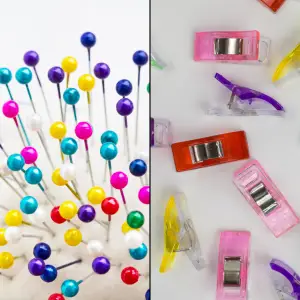
Pins are typically made of steel with a sharp point and a rounded head. You’ll insert pins into the fabric to temporarily secure seams, pattern pieces, or fabric layers before stitching.
Clips are typically made of plastic and have the same purpose of the pins, but they don’t go through the fabric so they are better for thicker fabrics or multiple layers.
Pin Needles
Sewing involves two primary types of needles:
Sewing Machine Needles and Hand Sewing Needles and you will need a mix of them.
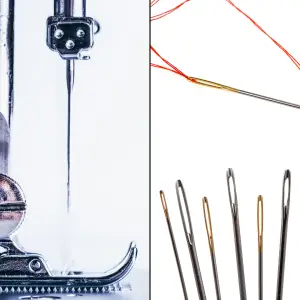
The sewing machine needles have a specific shape and size to fit into the machine’s needle clamp and they come in a variety of sizes and types based on the fabric weight and type of stitch. At the beginning you will need just some Universal needle that are included usually with your sewing machine.
It’s essential to choose the right needle for your project to achieve optimal results and prevent damage to your fabric.
Pin The hand sewing needles are longer and have a larger eye than sewing machine needles, they also depend on the fabric and the type of stitch you’re creating.
Marking Tools
Marking is crucial for achieving precise results in sewing. Several tools can assist you in transferring pattern markings onto your fabric:
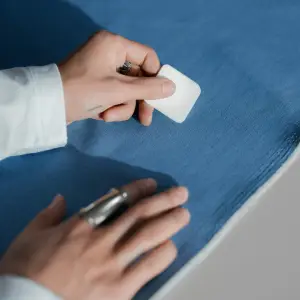
- Tailor’s chalk: It creates temporary marks that can be easily brushed off
- Water-soluble markers: They create marks that disappear when exposed to water or steam.
- Heat-erasable pens: They feature ink that vanishes when exposed to heat, making them reusable.
- Dressmaker’s carbon paper: Used with a tracing wheel to transfer pattern markings onto fabric.
Pin The methods listed above are temporary marking options that are ideal for beginners.
The best choice depends on your personal preference and the specific fabric or garment you’re working on.
I often recommend chalk pens as a beginner-friendly alternative to traditional tailor’s chalk. They’re easier to use and provide accurate markings. You can find them at link.
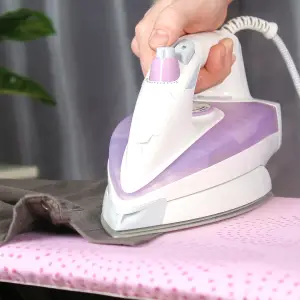
Iron and Iron Board
An iron and ironing board are indispensable tools for any sewer. Pressing your fabric is a crucial step in creating professional-looking garments.
Benefits of pressing:
- Enhances appearance: Removes wrinkles and creases, giving your project a polished look.
- Shapes fabric: Helps to set seams, darts, and other garment details.
- Improves stitch quality: Creates a smooth surface for better stitch formation.
Pin Tips:
- Use the appropriate heat setting for your fabric type.
- Press seams open to prevent bulkiness.
- Use a pressing cloth between the iron and delicate fabrics to protect them.
- You can also use a travel iron and a mini iron board for small projects.
By incorporating pressing into your sewing routine, you’ll elevate the overall quality of your finished projects.
FABRIC
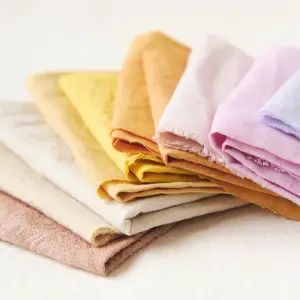
Selecting the right fabric is crucial for a successful sewing project.
For beginners, opting for fabrics that are easy to work with is essential.
Factors to consider:
- Fabric weight: Lighter fabrics are generally easier to work with for beginners.
- Fabric content: Natural fibers like cotton and linen are more forgiving than synthetic blends.
- Project type: Consider the intended use of the fabric.
Pin Beginner-friendly Fabrics:
- Cotton: cotton is available in various weights, from lightweight voile to heavier denim. It’s easy to care for, doesn’t stretch excessively, and is ideal for a range of projects.
- Linen: Known for its natural texture and breathability, linen is a good option for summer garments. However, it can be slightly challenging to work with due to its tendency to fray and wrinkle.
- Flannel: Soft and cosy, flannel is perfect for beginner projects like blankets, pillows, or simple garments. It’s easy to handle and doesn’t require excessive precision.
Avoid:
- Stretchy fabrics: These can be tricky for beginners as they require specific techniques and sewing machines.
- Delicate fabrics: Chiffon or silk can be challenging to handle due to their slippery nature.
Remember, practice makes perfect. As you gain experience, you can experiment with different fabrics and techniques.
You can buy yarn in multiple shops and online – here below some helpful links.
As shops:
- if you are in UK, you can go to HobbyCraft and local sewing shops
- if you are in the USA, you can go to local sewing shops or Micheal’s, Hobby Lobby, etc.
If you want to buy online, there are many online fabric shops, for beginners I would recommend these links:
- Amazon – samples of cotton fabric to try – link
- Amazon – some easy cotton by the meter – link
- Amazon – canvas in different colours – link
- Minerva.com (delivers worldwide)
- The Little Fabric Shop (UK)
CONCLUSION
Starting your sewing journey requires a thoughtful selection of essential tools. From the fundamental sewing machine and fabric to the often overlooked but crucial items like pins and seam rippers, each piece contributes to your success.
Remember, the key to mastering sewing lies in practice and experimentation. As you progress, you’ll discover new tools and techniques to enhance your craft. Don’t be afraid to start small and gradually expand your sewing arsenal
If you’d like some ideas for your next projects or if you need some help, have a look at my classes at this link!
Happy Sewing!
- About the Author
- Latest Posts
Hi, I’m Eleonora. I grew up in Milan and have been living in London since 2019. I left a corporate career to turn my lifelong passion for crafts into a full-time creative business. Creating with my hands has always been part of who I am – from crochet to sewing, from small handmade projects to full garments. I also have a soft spot for animals, especially cats. I started crocheting at a young age and later taught myself how to sew through books and online tutorials. Over time, I began experimenting with different techniques, patterns, and materials, discovering just how powerful and calming handmade creativity can be. That journey led me to share my knowledge online, first through YouTube and later through classes, patterns, and workshops. Today, I’m a crochet and embroidery teacher, helping others learn at their own pace and find confidence through making.


